
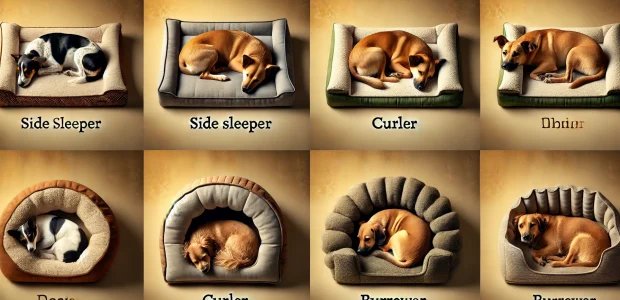
Has your furry companion been restless at night? Or perhaps they’ve abandoned their expensive bed in favor of your couch or floor? Many dog owners struggle to find the perfect sleeping solution because they overlook a crucial factor: dogs, like humans, have distinct sleeping preferences. Understanding your dog’s natural sleeping style is the key to selecting the best dog bed that will provide them with optimal comfort, support, and restful sleep.
In this comprehensive guide, we’ll explore how to identify your dog’s unique sleeping preferences and match them with the ideal bed type. From side sleepers to burrowers, puppies to seniors, we’ll cover everything you need to know about the best dog beds available in 2025 to ensure your pet enjoys years of comfortable, quality rest.
Understanding Your Dog’s Sleeping Style
Before investing in what you hope will be the best dog bed for your pet, take time to observe how they naturally sleep. Their posture and habits provide valuable insights into their comfort needs and preferences.
Best Dog Beds for Side Sleepers
How to identify side sleepers: Your dog regularly sleeps on their side with legs extended outward.
Side sleepers tend to be relaxed, secure dogs who feel comfortable in their environment. This position allows for maximum muscle relaxation and indicates a dog who feels safe. These dogs generally need ample space to stretch out completely.
Best bed types for side sleepers include:
- Rectangular mattress-style beds with generous dimensions
- Memory foam options that provide even support
- Beds with moderate padding that support the spine without excessive softness
Look for beds that are at least 8-12 inches longer than your dog’s length to accommodate full stretching during deep sleep cycles.
Best Dog Beds for Sprawlers
How to identify sprawlers: Your dog sleeps on their stomach with legs stretched out front and back (the “superman” position).
Sprawlers need even more surface area than side sleepers. This position helps dogs cool down quickly and is common in puppies and high-energy breeds who may fall asleep mid-play.
Best bed types for sprawlers include:
- Extra-large rectangular beds without restrictive bolsters
- Cooling mats that help regulate temperature
- Elevated/raised beds that allow for maximum airflow
These dogs benefit from beds with cooling properties since their sprawled position often indicates they run warm during sleep.
Best Dog Beds for Curlers
How to identify curlers: Your dog turns in circles before settling down and sleeps curled up in a ball.
Curlers are seeking security and warmth. This position conserves body heat and protects vital organs—an instinctual behavior. Smaller dogs, anxious dogs, and those in new environments commonly adopt this position.
Best bed types for curlers include:
- Round or oval-shaped donut beds with raised edges
- Nesting beds with soft, plush materials
- Bolster beds with supportive but soft walls
These beds provide the sense of security and enclosure that curlers crave while offering cushioned walls to lean against.
Best Dog Beds for Burrowers
How to identify burrowers: Your dog loves to dig into blankets or cushions and sleep under covers.
Burrowers seek comfort through the feeling of being surrounded and protected. This behavior is common in terriers (who were bred to dig) and small breeds that need extra warmth.
Best bed types for burrowers include:
- Cave-style or hooded beds that create a den-like environment
- Beds with built-in blankets or covers
- Sleeping bags designed specifically for dogs
These specialized beds satisfy a burrower’s natural instinct to tuck themselves away in a secure, enclosed space.
Best Dog Beds for Leaners
How to identify leaners: Your dog prefers to sleep with their body pressed against a wall, furniture, or another pet or person.
Leaners seek physical contact and support. They feel more secure with something solid against their body while they sleep, providing both physical support and emotional security.
Best bed types for leaners include:
- Bolster beds with firm, supportive sides
- Corner beds designed to fit in room corners
- L-shaped beds that provide support on multiple sides
These beds provide the supportive edges that leaners can rest against, creating that sense of contact they find comforting.
Key Factors to Consider When Selecting the Best Dog Bed
While your dog’s sleeping style is paramount, several other factors will help you select the best dog bed for their specific needs.
Size and Breed Considerations
Size significantly impacts what constitutes the best dog bed for your pet. Measure your dog from nose to tail while they’re in their typical sleeping position, then add 8-12 inches to determine the ideal bed length.
Small breeds (under 20 lbs):
- Require less padding but often need more insulation
- Benefit from beds with higher sides for heat retention
- Typically fit beds 20-24 inches in diameter or 24×18 inches for rectangular options
Medium breeds (20-60 lbs):
- Need balanced support that prevents contact with the floor
- Typically require beds 30-36 inches in diameter or 36×28 inches for rectangular options
- Benefit from more structured beds with quality materials that maintain their shape
Large and giant breeds (60+ lbs):
- Need substantial support to prevent joint pressure
- Require beds with at least 4-7 inches of high-density orthopedic foam
- Typically need beds starting at 48×36 inches with reinforced structures
The best dog beds for large breeds will feature materials specifically designed to support heavy weight without compressing over time.
Age-Specific Support Requirements
Your dog’s age significantly influences what constitutes the best dog bed for their changing needs.
Puppies (under 1 year):
- Need durable, waterproof beds that withstand accidents during housetraining
- Benefit from less expensive options initially, as puppies often chew their beds
- Require beds with fully machine-washable covers or components
Adult dogs (1-7 years):
- Benefit from beds that support their activity level and sleep style
- Require quality materials that will last through their prime years
- Need balanced support that maintains proper spinal alignment
Senior dogs (7+ years, depending on breed):
- Often develop arthritis and joint issues requiring specialized support
- Need orthopedic beds with memory foam or medical-grade support foam
- Benefit from beds with at least one lower side for easier entry and exit
The best dog beds for senior pets will provide therapeutic benefits that actively reduce joint pain and improve mobility.
Material Quality and Durability
The materials in your dog’s bed affect comfort, longevity, maintenance requirements, and even their health.
Best support materials for dog beds:
- Memory foam: Conforms to your dog’s body, relieving pressure points; ideal for older dogs and those with joint pain
- Orthopedic foam: Provides firm, even support; excellent for large breeds and seniors
- High-density support foam: Maintains shape and support over time; perfect for heavier dogs
- Cooling gel foam: Regulates temperature while providing support; great for dogs that overheat easily
Best cover materials for dog beds:
- Microfiber/microsuede: Soft, reasonably durable, and often water-resistant
- Ballistic or ripstop nylon: Extremely durable for dogs that dig or nest vigorously
- Organic cotton: Breathable and non-toxic but less durable without protective treatments
- Waterproof materials: Essential for puppies, seniors, or dogs with incontinence
The best dog beds in 2025 often feature multilayer construction, combining different materials to address support, comfort, and temperature regulation simultaneously.
Maintenance and Washability
Even the best dog bed quickly becomes unhygienic without proper maintenance features.
Essential features for easy maintenance:
- Fully removable, machine-washable covers with quality zippers
- Waterproof inner liners that protect expensive foam from accidents
- Materials that resist hair embedding and are easy to vacuum
- Non-skid bottoms that prevent shifting during use
Consider how frequently you’re willing to wash bedding and choose accordingly. The best dog beds balance comfort with practical maintenance requirements.
Climate and Temperature Considerations
Your local climate should influence your selection of the best dog bed for your environment.
Cold climate dog beds:
- Feature self-warming materials that reflect body heat
- Include higher sides that prevent draft exposure
- Utilize plush, insulating fabrics for maximum warmth
Warm climate dog beds:
- Feature elevated designs for improved air circulation
- Incorporate cooling gel technology or phase-change materials
- Utilize breathable, moisture-wicking fabrics throughout
The best dog beds for variable climates offer convertible features, such as reversible cushions with seasonal materials on each side or removable warming/cooling inserts.
Best Dog Beds for Specific Needs in 2025
Best Orthopedic Dog Beds
Senior dogs and breeds prone to joint issues require exceptional support to prevent pain and maintain mobility.
The best orthopedic dog beds feature:
- Medical-grade memory foam at least 4-7 inches thick
- Multiple support layers with graduated densities
- Pressure-relieving properties that improve circulation
- Waterproof liners that protect expensive foam components
Top options for 2025 include beds with targeted support zones that provide additional cushioning for common problem areas like hips and shoulders.
Best Dog Beds for Anxiety
Dogs with anxiety, fear of noises, or separation issues benefit from beds specifically designed to create security.
The best dog beds for anxious dogs feature:
- Deep bolsters that create a fortress-like feeling of protection
- Cave or hooded designs that satisfy denning instincts
- Integrated calming technologies like heartbeat simulators
- Subtle weighted sections that provide gentle pressure therapy
These specialized beds create psychological comfort that can significantly reduce stress behaviors and improve sleep quality.
Best Cooling Dog Beds for Hot Weather
Dogs with thick coats or those living in warm climates benefit from beds that actively manage temperature regulation.
The best cooling dog beds feature:
- Phase-change materials that maintain consistent cool temperatures
- Gel-infused memory foam that dissipates body heat
- Elevated designs that maximize airflow on all sides
- Breathable, moisture-wicking cover materials
These advanced cooling systems help prevent overheating during sleep, a common problem for many thick-coated breeds.
Best Dog Beds for Outdoors
Dogs that spend time outdoors need beds that can withstand the elements while providing comfort.
The best outdoor dog beds feature:
- UV-resistant fabrics that don’t degrade in sunlight
- Waterproof materials throughout construction
- Quick-drying capabilities after rain exposure
- Elevated designs that prevent ground moisture absorption
Modern outdoor beds for 2025 include innovations like attachable canopies for shade and weather protection.
Latest Innovations in Dog Bed Technology
The pet industry continues to evolve, with several exciting advancements appearing in 2025’s best dog beds.
Smart Monitoring Dog Beds
The latest technology integrates health monitoring directly into your dog’s bed:
- Sleep quality tracking sensors that measure duration and movement
- Heart and respiratory rate monitoring for early health warning signs
- Weight tracking to identify nutrition issues
- Temperature monitoring for fever detection
These smart beds connect to smartphone apps that establish baseline patterns and alert owners to significant changes that might indicate health concerns.
Eco-Friendly and Sustainable Dog Beds
As environmental consciousness grows, sustainable options have become mainstream:
- Beds made from recycled ocean plastics
- Organic, non-toxic fabrics and fillings
- Biodegradable components for reduced environmental impact
- Carbon-neutral manufacturing processes
The best eco-friendly dog beds no longer require sacrificing comfort or durability, with performance matching or exceeding traditional materials.
Enhanced Hygiene Technologies
New innovations focus on maintaining cleanliness between washings:
- Self-cleaning fabrics that use UV technology to eliminate bacteria
- Antimicrobial treatments that prevent odor development
- Moisture-wicking layers that prevent dampness
- Dirt-repelling outer layers that resist staining
These advancements significantly reduce maintenance requirements while creating healthier sleeping environments.
Customizable Dog Beds
The one-size-fits-all approach has given way to personalized solutions:
- Modular components that can be rearranged based on your dog’s preferences
- Adjustable filling levels for customized firmness
- Zip-in seasonal inserts that modify temperature regulation
- Replaceable sections to address specific wear patterns
Some manufacturers now offer fully customized beds designed precisely for your dog’s measurements, weight, and sleeping style.
Caring for Your Dog Bed Investment
Proper maintenance extends your dog bed’s lifespan while ensuring it remains hygienic and supportive.
How to Clean Dog Beds Properly
Regular maintenance creates a healthier sleeping environment:
Weekly maintenance routine:
- Vacuum thoroughly with upholstery attachments to remove hair and dander
- Spot clean minor stains with pet-safe enzymatic cleaners
- Air out beds outdoors when possible to eliminate odors naturally
Monthly deep cleaning protocol:
- Wash removable covers according to manufacturer instructions
- Use pet-safe detergents free from harsh chemicals
- Allow components to dry completely before reassembly
- Apply fabric protector designed for pet products after washing
For beds without removable covers, check manufacturer guidelines for immersion cleaning recommendations.
When to Replace Your Dog’s Bed
Even the best dog beds eventually require replacement:
Signs it’s time for a new bed:
- Visible compression or flattening that doesn’t recover after 24 hours
- Support foam that has cracked, crumbled, or developed permanent indentations
- Covers with tears or zipper failures
- Persistent odors despite thorough cleaning
Typical lifespan expectations:
- Budget polyester-filled beds: 6-12 months
- Mid-range bolster beds: 1-2 years
- High-quality orthopedic options: 3-5 years
- Premium multi-component systems: 5-7 years with component replacement
Changes in your dog’s health status may necessitate replacement before these timelines, particularly for dogs developing new joint issues.
Making the Final Decision: Finding the Best Dog Bed
With so many options available, use these guidelines to narrow your choices to the perfect bed for your dog.
Budget Considerations and Value Assessment
The best dog beds span a wide price range, with distinct tiers of features and durability:
Budget tier ($30-75):
- Basic cushion and pillow beds
- Simple bolster designs with standard polyester filling
- Suitable for puppies or as secondary beds
Mid-range tier ($75-150):
- Quality bolster beds with better internal support
- Basic orthopedic options with 2-3 inches of memory foam
- More durable covers and stronger construction
Premium tier ($150-300):
- Therapeutic orthopedic beds with 4+ inches of medical-grade foam
- Advanced cooling or heating technologies
- Specialized designs for senior dogs or health issues
Luxury tier ($300+):
- Smart beds with health monitoring capabilities
- Custom-fitted options designed for specific needs
- Beds with integrated technology features
When evaluating value, consider cost per year rather than initial price. Premium beds often prove more economical over time despite higher upfront costs.
Reading Reviews for Accurate Information
Online reviews provide valuable insights when evaluated properly:
- Filter reviews by dog size similar to yours for relevant feedback
- Look for long-term reviews (3+ months of use) that assess durability
- Pay attention to comments about ease of cleaning and cover quality
- Note how companies respond to negative reviews
Photos in customer reviews often reveal more about proportions and actual appearance than manufacturer images.
Understanding Return Policies
Before purchasing, verify return options:
- Look for companies offering at least 30-day trial periods
- Check whether return shipping costs are covered
- Understand the condition requirements for returns
- Consider companies with satisfaction guarantees
A generous return policy indicates manufacturer confidence and provides security when investing in higher-priced models.
Conclusion: The Best Dog Beds Enhance Quality of Life
Selecting the best dog bed is an investment in your pet’s health, comfort, and overall wellbeing. By understanding your dog’s unique sleeping style and considering their specific needs, you provide them with the restorative rest that’s essential for their physical health and emotional balance.
Remember that dogs spend 12-14 hours daily sleeping and resting. A properly supportive bed prevents joint strain, improves circulation, regulates body temperature, and creates the secure environment they need for truly restorative sleep. For senior dogs or those with health issues, the right bed can significantly reduce pain and improve mobility.
Take time to observe your dog’s natural preferences, consider their physical needs, and select materials that will provide lasting comfort. With the comprehensive guidance provided in this article, you’re now equipped to make an informed decision that will benefit your canine companion for years to come.
Frequently Asked Questions About Dog Beds
How do I know what type of dog bed is best for my dog?
The best dog bed for your pet matches their natural sleeping position, size, age, and health needs. Observe how your dog sleeps: do they stretch out, curl up, burrow, or lean against surfaces? Match these behaviors to appropriate bed styles like rectangular beds for stretchers, donut beds for curlers, or cave beds for burrowers. Consider your dog’s age (puppies need durable, washable beds; seniors need orthopedic support) and any health issues that require special support. When in doubt, bolster beds with medium-firm padding accommodate multiple sleeping positions and provide a good starting point.
Should dogs have different beds for different seasons?
Yes, seasonal bed rotation significantly improves your dog’s comfort, particularly in regions with temperature fluctuations. During summer, cooling beds with gel-infused foam or elevated designs improve air circulation and prevent overheating. In winter, insulated beds with self-warming technology and higher sides retain heat and prevent draft exposure. Some manufacturers now offer convertible options with seasonal inserts or reversible cushions specifically designed for year-round adaptability. Beyond comfort, this rotation extends each bed’s lifespan by distributing wear across multiple products.
How often should you replace your dog’s bed?
Most quality dog beds should be replaced every 1-3 years, depending on construction quality and your dog’s usage patterns. Signs it’s time for replacement include: visible compression that doesn’t recover after 24 hours, foam that has cracked or crumbled, tears in the cover or inner lining, persistent odors despite thorough cleaning, or seams that have begun to separate. Premium orthopedic beds typically last 3-5 years with proper care, while budget polyester-filled options may need replacement after 6-12 months. Changes in your dog’s health status, particularly developing joint issues, may necessitate earlier replacement with more supportive options.
Are elevated dog beds better than floor beds?
Elevated dog beds offer specific advantages but aren’t universally better for all dogs. They excel at improving air circulation for cooling in hot climates, keeping dogs off cold or damp floors, and providing easier cleaning access underneath. They’re ideal for outdoor use and for dogs that overheat easily. However, they lack the cushioning and joint support that orthopedic floor beds provide, making them less suitable for seniors or dogs with arthritis. The best choice depends on your dog’s age, health status, and temperature preferences. Many owners find that having both styles allows flexibility for different situations and seasons.
What materials should I avoid when buying a dog bed if my pet has allergies?
For dogs with allergies or sensitivities, avoid beds containing cedar fills (which can cause respiratory irritation), down or feather filling (which harbors dust mites), natural wool (unless specifically treated to be hypoallergenic), and beds with chemical flame retardants. Instead, choose beds with completely sealed, medical-grade foam encased in waterproof inner covers to prevent allergen accumulation. Look for certified hypoallergenic materials and tightly woven, microfiber covers that prevent dust mites from penetrating. Beds with removable, machine-washable covers are essential for frequent cleaning at high temperatures to eliminate allergens. Some manufacturers now offer antimicrobial treatments that specifically inhibit common allergens like mold and dust mites.
Read more: