
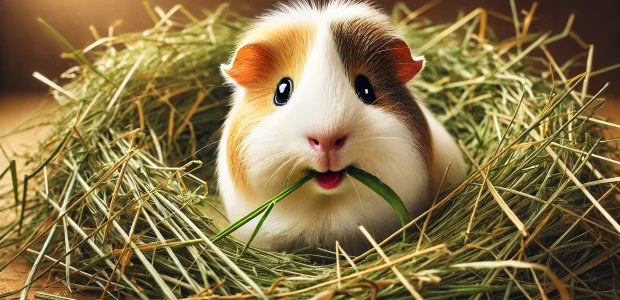
Why Hay is Essential for Guinea Pig Health
Finding the best hay for guinea pigs is crucial for their overall health and wellbeing. Guinea pigs are adorable, social creatures that make wonderful companions. If you’ve recently welcomed one of these furry friends into your home, you’ll quickly discover that hay isn’t just a bedding option—it’s the cornerstone of their diet. Quality hay should make up about 80% of your guinea pig’s daily food intake, making your choice of the best hay for guinea pigs an essential decision for any responsible owner.
Unlike many other pets, guinea pigs have unique digestive systems that require a constant supply of high-fiber foods. Their digestive tract is designed to process rough, fibrous plant material continuously, and hay provides the perfect combination of fiber, texture, and nutrients they need to thrive. Without adequate hay consumption, guinea pigs can develop serious health issues, from dental problems to dangerous digestive complications.
Digestive Benefits of High-Quality Hay
Guinea pigs have sensitive digestive systems that rely heavily on fiber to function properly. The long fiber strands in the best hay for guinea pigs help maintain healthy gut motility, preventing dangerous conditions like GI stasis—where the digestive system essentially stops working. This condition can be fatal if not addressed quickly.
High-quality hay also supports your guinea pig’s cecum, a specialized part of their digestive system where beneficial bacteria ferment food and produce essential nutrients. With a diet rich in proper hay, these beneficial bacteria thrive, helping your pet extract maximum nutrition from their food while preventing harmful bacteria from taking over.
Regular hay consumption also helps prevent obesity in guinea pigs, as it provides necessary nutrition without excessive calories. Since guinea pigs are prone to weight-related issues, maintaining a hay-centered diet is one of the best preventative health measures you can take as a responsible owner.
Dental Health and Hay Consumption
Guinea pigs have open-rooted teeth that grow continuously throughout their lives. Without proper wear, these teeth can develop painful spurs, overgrowth, or malocclusion (misalignment). The constant chewing required to eat hay naturally wears down their teeth at a healthy rate, preventing these painful dental issues.
The coarse texture of quality hay provides the perfect natural filing mechanism for your guinea pig’s teeth. As they chew through the fibrous strands, the abrasive action helps maintain proper tooth length and alignment. Different hay varieties offer different textures, with some being more effective than others for dental maintenance.
Dental problems are among the most common health issues that guinea pig owners face, and many could be prevented with appropriate hay selection. Ensuring your pet has access to fresh, high-quality hay at all times is one of the simplest yet most effective ways to maintain their dental health and avoid costly veterinary procedures.
Types of Hay for Guinea Pigs
When searching for the best hay for guinea pigs, understanding the different types available is essential for providing optimal nutrition. Not all hays are created equal, and different varieties offer unique benefits for your pet’s health at various life stages. Let’s explore the options to help you select the best hay for guinea pigs in your care.
Timothy Hay: The Gold Standard
Timothy hay is widely considered the gold standard for adult guinea pigs, and for good reason. This cool-season grass hay is characterized by its long stems, seed heads, and moderate protein content (around 8-10%). The fiber-to-protein ratio makes it ideal for adult guinea pigs’ daily dietary needs.
Timothy hay comes in three different “cuts” or harvests:
- First cutting: Typically coarser with thicker stems and higher fiber content. Excellent for dental wear but sometimes less palatable.
- Second cutting: Balanced between fiber and softer leaves. Generally the most popular choice for guinea pigs, offering good nutrition and palatability.
- Third cutting: Softer and higher in protein with finer stems. More palatable but less effective for dental wear.
The balanced nutritional profile of timothy hay supports healthy digestion while providing enough roughage to maintain dental health. Its lower calcium content also makes it appropriate for adult guinea pigs, helping prevent urinary issues like bladder stones that can develop with excessive calcium intake.
Many guinea pig owners who also keep rabbits find that timothy hay works well for both animals, making it a convenient choice for multi-pet households. The nutritional requirements between these species are remarkably similar when it comes to hay consumption.
Orchard Grass: A Popular Alternative
Orchard grass hay is an excellent alternative to timothy hay, especially for guinea pigs who may be sensitive to timothy or for owners who are allergic to it. This softer, greener hay is sweeter and often more palatable to picky eaters, encouraging better hay consumption.
Nutritionally, orchard grass provides similar benefits to timothy hay with moderate protein levels and high fiber content. Its softer texture makes it particularly appealing to guinea pigs with sensitive mouths or those recovering from dental procedures.
One of the biggest advantages of orchard grass is its lower dust content compared to many timothy hay products. This makes it an ideal choice for guinea pigs with respiratory sensitivities or for homes where human allergies are a concern. The reduced dust content can help minimize sneezing and respiratory irritation.
Many guinea pig owners find success in mixing orchard grass with timothy hay to provide textural variety that keeps their pets interested in their hay throughout the day, encouraging more consistent consumption.
Meadow Hay: Variety and Nutrition
Meadow hay is a diverse mix of different grasses and plants harvested from natural meadows. This variety offers guinea pigs a broader nutritional profile and more interesting dining experience, which can be particularly beneficial for picky eaters.
The naturally varied composition of meadow hay means it contains different textures, flavors, and scents that can stimulate your guinea pig’s interest and encourage more hay consumption. This diversity also provides a wider range of nutrients than single-species hays.
Because meadow hay contains multiple grass species, it can vary significantly between batches and brands. While this natural variation is part of its appeal, it’s important to source meadow hay from reputable suppliers who harvest from clean, pesticide-free fields.
Meadow hay works well as part of a rotation with timothy and orchard grass, helping prevent dietary boredom while maintaining nutritional balance. This approach mimics how guinea pigs would naturally encounter different grasses in the wild.
Botanical Hay: Herbs and Flowers
Botanical hay takes regular grass hay to the next level by incorporating dried herbs, flowers, and leafy plants. These botanical additions can provide enrichment, variety, and supplemental nutrients to your guinea pig’s diet.
Common ingredients in botanical hay blends include:
- Chamomile flowers for calming properties
- Marigold petals rich in natural antioxidants
- Dandelion leaves offering additional vitamins
- Plantain leaves with anti-inflammatory benefits
- Dried rose petals for enrichment and variety
While botanical hay shouldn’t replace regular grass hay as the main dietary component, it makes an excellent supplement to offer once or twice weekly. The varied textures, scents, and flavors provide excellent enrichment, stimulating your guinea pig’s natural foraging behaviors.
Many guinea pig owners notice increased activity and curiosity when botanical hay is introduced. This mental stimulation is particularly beneficial for single guinea pigs or those kept in smaller enclosures where environmental enrichment is especially important.
Alfalfa Hay: When to Use and When to Avoid
Alfalfa hay is a legume hay rather than a grass hay, distinguished by its high protein (15-20%) and calcium content. This nutrient-dense hay has specific applications in guinea pig care but isn’t suitable as a daily staple for most adult guinea pigs.
The primary appropriate uses for alfalfa hay include:
- Young guinea pigs under 6 months: Growing guinea pigs benefit from the higher protein and calcium content.
- Pregnant or nursing females: The additional nutrients support healthy reproduction and milk production.
- Underweight or recovering guinea pigs: The higher caloric content can help with weight gain under veterinary guidance.
For healthy adult guinea pigs, regular alfalfa consumption can lead to several health issues:
- Excess calcium contributing to bladder stone formation
- Weight gain from higher protein content
- Potential kidney strain from processing excess nutrients
If you’re transitioning a young guinea pig from alfalfa to adult hay, gradually mix in increasing amounts of timothy hay over 2-3 weeks to avoid digestive upset and allow them time to adjust to the new flavor and texture.
Best Hay Products for Guinea Pigs
With so many hay products on the market, choosing the best hay for guinea pigs can feel overwhelming. This section breaks down the top options across different categories to help you make an informed decision for your guinea pig. These carefully selected products represent the best hay for guinea pigs based on quality, nutritional value, and overall pet satisfaction.
Top Premium Timothy Hay Brands
Premium timothy hay brands distinguish themselves through consistent quality, proper cutting techniques, and careful drying and storage practices. While they come with a higher price tag, many guinea pig owners find the quality justifies the cost.
Small Pet Select Timothy Hay consistently earns top ratings from guinea pig enthusiasts for its hand-selected, dust-extracted quality. Their second-cutting timothy hay offers an ideal balance between coarse stems for dental health and soft, leafy portions for palatability. The resealable packaging helps maintain freshness, which is crucial for picky eaters.
Oxbow Western Timothy Hay is another exceptional option available in most pet stores and online retailers. Their standardized quality control means consistent batches, and they offer all three cuts, allowing you to find which your guinea pig prefers. Many veterinarians specifically recommend this brand for its reliable nutritional consistency.
When selecting premium hay, look for vibrant green color, fresh smell, minimal dust, and proper moisture content (neither too dry nor damp). Quality hay should never smell musty or show signs of mold, which can cause serious respiratory issues in guinea pigs.
Best Budget-Friendly Hay Options
Quality hay doesn’t always require a premium price tag. Several brands offer good nutritional value while remaining more affordable for budget-conscious guinea pig owners.
Kaytee Timothy Hay represents a good middle-ground option widely available in pet stores and online. While it may contain more dust than premium brands, appropriate storage in a hay feeder can minimize this issue. The nutritional profile remains appropriate for daily feeding, making it a practical choice for many households.
Buying in bulk can significantly reduce costs, with many online retailers offering 10-25 pound boxes at substantial discounts. Properly stored in a cool, dry place, hay can maintain its nutritional value for months, making bulk purchases economical for multi-guinea pig households.
For the most budget-friendly option, consider sourcing hay directly from local farms during harvest season. Many small-scale farmers sell pet-quality timothy or orchard grass hay at a fraction of retail prices. Just ensure the hay hasn’t been treated with pesticides and is stored properly to avoid mold.
Specialty Hays for Guinea Pigs with Special Needs
Some guinea pigs require specialized hay options due to health conditions, age, or specific nutritional requirements. Fortunately, several products cater to these special needs.
For elderly guinea pigs with dental issues or reduced chewing ability, Oxbow Timothy Hay Blend offers a softer texture while maintaining adequate fiber content. This blend combines second and third cutting timothy hay for easier consumption while still providing dental benefits.
Guinea pigs with respiratory sensitivities benefit from Small Pet Select Orchard Grass, which naturally contains less dust than most timothy hay products. The lower dust content reduces respiratory irritation while still providing appropriate nutrition.
For guinea pigs recovering from illness or surgery, Sherwood Recovery Hay combines soft grasses with herbs that support immune function and recovery. Always consult your exotic vet before introducing specialty hays, particularly those with added ingredients, to ensure they’re appropriate for your pet’s specific condition.
How to Store and Serve Hay to Your Guinea Pig
Even the highest quality hay can lose nutritional value and palatability without proper storage and presentation. Maximizing hay consumption requires attention to both preservation and serving methods.
Proper Storage to Maintain Freshness
Proper hay storage significantly impacts its nutritional value, palatability, and safety for your guinea pig. Hay should always be stored in a cool, dry area away from direct sunlight, which can degrade nutrients and cause discoloration.
To maintain maximum freshness:
- Transfer hay from original packaging to airtight containers or storage bins
- Use multiple smaller containers rather than one large one to minimize exposure to air
- Label containers with purchase dates to ensure rotation of stock
- Store hay away from strong odors, as it readily absorbs environmental scents
- Check regularly for moisture or mold development, especially in humid climates
If you purchase hay in bulk, consider vacuum-sealing portions you won’t use within a few weeks. This preserves freshness and prevents exposure to humidity, dust, and pests while maintaining nutritional integrity for longer periods.
Never store hay near the guinea pig’s bathroom area, as the scent of urine can make even fresh hay unappetizing. Similarly, avoid storing hay near household chemicals, cleaning products, or strong-smelling items that could contaminate it.
Creative Ways to Encourage Hay Consumption
Many guinea pig owners face challenges getting their pets to consume adequate hay. Creative presentation can significantly increase interest and consumption rates.
Hay feeders come in various designs, from simple wall-mounted racks to creative tunnels that combine play and feeding. The ideal feeder keeps hay off the cage floor (preventing contamination) while making it easily accessible for your guinea pig. Proper housing setup plays an important role in encouraging healthy hay consumption.
Try these engagement techniques:
- Mix small amounts of foraged herbs or dried flowers into the hay
- Create “treasure hunts” by hiding small pieces of vegetables within hay piles
- Rotate different hay types weekly to prevent dietary boredom
- Offer fresh hay at different times of day to stimulate interest
- Use stuffable toys designed for hay that create a foraging challenge
Guinea pigs are more likely to eat hay that’s presented at face level rather than having to bend down, mimicking their natural grazing position. Consider multiple hay feeding stations throughout their enclosure to encourage movement and exploration alongside consumption.
For extremely picky eaters, try lightly misting hay with unsweetened apple juice (diluted 10:1 with water) to increase palatability. Use this technique sparingly as a temporary measure to establish better hay eating habits, not as a long-term solution. Learning how to encourage healthy eating habits is just one of many aspects covered in remote pet training resources that can help even with small pets like guinea pigs.
Common Guinea Pig Hay Questions Answered
Guinea pig owners frequently encounter challenges and questions regarding hay selection and consumption. This section addresses the most common concerns with practical, evidence-based solutions.
Troubleshooting Hay Refusal
When a guinea pig suddenly refuses hay, it often signals an underlying issue requiring attention. Dental problems frequently cause hay refusal, as chewing becomes painful. Look for drooling, weight loss, or reduced overall appetite as accompanying symptoms requiring immediate veterinary evaluation.
Environmental factors can also impact hay consumption:
- Recent hay batch changes (different smell, texture, or taste)
- Hay contamination with urine or feces
- Placement of hay in an inconvenient or uncomfortable location
- Competition from cage mates limiting access
- Preference development for less healthy, tastier foods
To address refusal issues, first rule out medical causes through veterinary examination. Then try offering multiple hay varieties simultaneously to determine preferences. Some guinea pigs develop strong preferences for specific cuts or textures that aren’t immediately apparent to owners.
For guinea pigs who’ve developed poor hay habits from improper diet, implement a gradual transition. Reduce pellets and treats while increasing hay availability and variety. This process may take several weeks but is essential for long-term health.
Seasonal Hay Quality Variations
Seasonal variations in hay quality are natural and reflect growing conditions throughout the year. Understanding these variations helps you make appropriate adjustments to maintain nutritional consistency.
Spring and early summer harvests typically produce greener, leafier hay with higher nutritional density. Late summer and fall harvests tend toward coarser textures with slightly lower nutritional profiles but excellent fiber content for dental health.
During winter months when fresh hay may be less available, consider these strategies:
- Purchase larger quantities of good-quality hay during peak seasons
- Rotate between different hay types to compensate for seasonal limitations
- Supplement with small amounts of fresh greens when seasonal hay quality diminishes
- Consider premium brands that maintain more consistent quality through inventory management
Working with reputable suppliers who understand pet hay needs (versus livestock requirements) helps ensure more consistent quality throughout seasonal transitions. Many specialty retailers now provide detailed harvest information to help owners make informed decisions.
Hay Allergies in Guinea Pigs and Owners
Hay allergies can affect both guinea pigs and their human caretakers, requiring thoughtful management strategies that protect everyone’s health.
For guinea pigs showing potential hay allergies (sneezing, eye discharge, skin irritation), consider:
- Switching to a different hay variety (orchard grass is often less allergenic than timothy)
- Trying third-cutting timothy hay, which contains fewer pollen allergens
- Using dust-extracted hay products specifically designed to reduce allergen exposure
- Consulting an exotic veterinarian to rule out respiratory infections or other conditions
Human caretakers with hay allergies can implement these protective measures:
- Wear a mask when handling hay or cleaning cages
- Use dust-extracted hay varieties to reduce airborne particles
- Store hay in sealed containers away from living spaces
- Consider automatic air purifiers near guinea pig enclosures
- Implement hand-washing protocols after handling hay or guinea pigs
It’s worth noting that many people who react to timothy hay can tolerate orchard grass with minimal symptoms. Alternating care responsibilities with non-allergic household members can also provide relief while ensuring guinea pigs receive proper care.
Conclusion: Choosing the Best Hay for Guinea Pigs
Selecting the best hay for guinea pigs represents one of the most important decisions you’ll make for their health and happiness. The ideal approach combines understanding your specific pet’s needs, recognizing quality indicators, and maintaining variety to support both physical health and mental stimulation. Our comprehensive guide has covered everything you need to know about finding the best hay for guinea pigs in your care.
Remember that the best hay for guinea pigs isn’t just food—it’s essential for dental health, proper digestion, and natural foraging behaviors. By providing abundant, fresh, high-quality hay daily, you’re directly contributing to your guinea pig’s wellbeing and potentially extending their lifespan.
Start with second-cutting timothy hay as your baseline, then introduce variety through orchard grass, meadow hay, and occasional botanical blends. Monitor your guinea pig’s preferences and adjust accordingly, always ensuring they consume adequate quantities daily.
While guinea pigs don’t typically wander off like larger pets, it’s still important to keep track of their health and habits. Just as GPS pet trackers help monitor larger pets’ activities, regular observation of your guinea pig’s hay consumption patterns provides valuable insights into their wellbeing.
For specialized guidance based on your guinea pig’s specific health conditions, age, or dietary challenges, consult an exotic veterinarian with guinea pig experience. The investment in proper hay and feeding practices now can prevent costly health issues in the future.
FAQ Section
How often should I change my guinea pig’s hay?
Fresh hay should be provided daily, with uneaten hay removed after 24-48 hours. Complete hay replacement should happen at least every other day to maintain freshness and appeal.
What type of hay is best for guinea pigs with dental problems?
Guinea pigs with dental issues often benefit from a mix of second-cutting timothy hay (for moderate dental wear) supplemented with softer orchard grass. Severe dental problems may require specially chopped hay under veterinary guidance.
Can guinea pigs eat alfalfa hay?
Adult guinea pigs should only have alfalfa hay as an occasional treat due to its high calcium and protein content. However, pregnant, nursing, or growing guinea pigs under 6 months can benefit from regular alfalfa hay consumption.
Is timothy hay or orchard grass better for guinea pigs?
Neither is universally “better” – both offer appropriate nutrition. Timothy hay provides excellent dental wear, while orchard grass is often more palatable and less dusty. Many owners find success offering both to provide variety.
How can I get my guinea pig to eat more hay?
Increase hay consumption by offering multiple varieties, using engaging hay feeders, ensuring freshness, reducing competing foods like pellets, and creating foraging opportunities by hiding treats within hay piles.
References: