
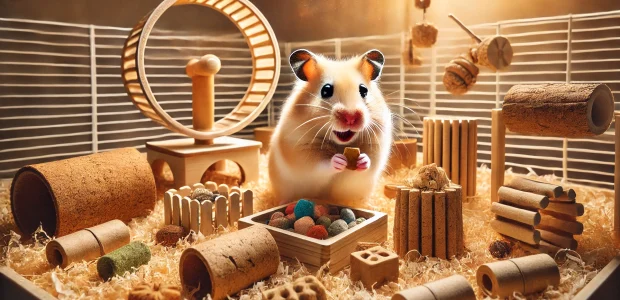
Providing proper enrichment for your hamster is essential for their physical health, mental stimulation, and overall happiness. These intelligent little creatures need more than just a wheel and a hiding spot to truly thrive in captivity. In this comprehensive guide, we’ll explore creative and effective hamster enrichment ideas that will transform your pet’s habitat into an engaging playground that satisfies their natural instincts. Whether you’re a new hamster owner or looking to upgrade your furry friend’s lifestyle, these enrichment strategies will help ensure your hamster lives a fulfilled, active, and joyful life.
Why Hamster Enrichment Matters
In the wild, hamsters spend their days foraging, burrowing, exploring, and navigating complex environments. Their captive habitats, while safe and comfortable, often lack the stimulation these naturally active creatures require. Proper enrichment isn’t just about entertainment—it’s about allowing your hamster to express natural behaviors essential to their wellbeing.
Signs Your Hamster Needs More Enrichment
Hamsters can’t verbally tell us when they’re bored, but they do communicate through their behavior. If you notice any of these signs, your hamster may be craving more stimulation:
- Bar chewing or climbing – A classic sign of boredom and stress in caged hamsters
- Excessive sleeping – While hamsters are naturally nocturnal, sleeping more than usual can indicate lack of stimulation
- Repetitive behaviors – Such as running the same path over and over or digging in the same corner
- Lethargy or lack of interest in previously enjoyed activities
- Aggression or irritability when handled
Early recognition of these signs allows you to adjust your enrichment strategy before boredom affects your pet’s health.
Benefits of Proper Enrichment for Hamster Health
Investing time in hamster enrichment yields remarkable benefits for your pet’s physical and psychological wellbeing:
- Prevents obesity by encouraging natural movement and exercise
- Reduces stress and anxiety by providing outlets for natural behaviors
- Strengthens muscles and improves coordination through varied activities
- Prevents boredom-related behaviors like cage biting and excessive grooming
- Stimulates problem-solving skills and mental development
- Increases overall happiness and quality of life
Research shows that well-enriched hamsters live longer, healthier lives and display more natural behavior patterns than those in barren environments.
Essential Hamster Enrichment Categories
Creating a well-rounded enrichment plan means addressing different aspects of your hamster’s natural behaviors. Let’s explore the key categories of hamster enrichment to ensure you’re meeting all your pet’s needs.
Physical Exercise Enrichment
Hamsters are naturally active creatures that can run several miles each night in the wild. Providing adequate exercise opportunities is crucial for their health and happiness.
Exercise wheels remain the gold standard for hamster fitness, but not all wheels are created equal. Choose a solid-surface wheel at least 8 inches in diameter for dwarf hamsters and 10-12 inches for Syrian hamsters. Mesh or barred wheels can catch tiny feet and cause injuries.
Exercise balls allow supervised exploration outside the cage, but limit sessions to 10-15 minutes to prevent overheating and stress. Always supervise ball time and block off stairs or hazardous areas.
Multi-level habitats with ramps, platforms, and tubes encourage climbing and exploration. These setups mimic the varying terrain hamsters would navigate in nature, providing both physical exercise and mental stimulation.
DIY obstacle courses can be created from toilet paper tubes, small boxes, and hamster-safe materials. Rearrange elements regularly to maintain interest and challenge your pet’s problem-solving abilities.
Foraging and Food-Based Enrichment
In nature, hamsters spend significant time searching for food, not finding it presented in a bowl. Stimulating this natural foraging behavior creates engaging activities that keep your hamster mentally active.
Scatter feeding involves sprinkling food throughout the bedding rather than offering it in a dish. This simple technique instantly transforms mealtime into an enriching treasure hunt.
Puzzle feeders designed for hamsters or adapted from small bird toys make your pet work for treats, providing mental stimulation while slowing down fast eaters. Try hiding small treats in:
- A toilet paper roll with the ends crimped
- A hamster-safe egg carton with treats in different compartments
- Commercial puzzle toys designed specifically for small pets
Foraging toys can be as simple as crumpled paper with treats inside or specialized commercial products that challenge your hamster to retrieve food rewards through different openings or mechanisms.
Exploration and Environmental Enrichment
Hamsters thrive when given opportunities to explore changing environments that stimulate their curiosity and natural investigative behaviors.
Rotating toys on a weekly basis helps maintain interest. Keep a collection of hamster toys and cycle them through the cage to prevent habituation and boredom.
Changing cage layouts periodically renews your hamster’s interest in their environment. Rearranging hideouts, tubes, and toys creates a “new” space for exploration without the stress of a complete habitat change.
Play pens offer supervised exploration time outside the main habitat. Set up a secure, escape-proof area with novel toys, tunnels, and surfaces for your hamster to investigate during handling sessions. If you’re interested in setting up larger enclosures for small pets, our guide on how to set up a rabbit cage has principles that can be adapted for creating hamster playpens, though at a smaller scale.
Digging boxes filled with chemical-free soil, coconut fiber, or a mix of substrates allow hamsters to express natural digging and burrowing behaviors. For Syrian hamsters especially, who are prolific burrowers in the wild, a deep substrate area (6+ inches) in part of their habitat is highly beneficial.
Sensory Enrichment
Stimulating your hamster’s senses provides crucial cognitive enrichment that’s often overlooked in basic care guides.
Varied textures in bedding materials, toys, and climbing structures engage your hamster’s sense of touch and encourage exploration. Mix soft bedding areas with rougher climbing surfaces and different nesting materials.
Natural materials like untreated woods, cork, coconut shells, and unscented loofah pieces provide interesting textures and scents for your hamster to investigate and chew. While not specifically for hamsters, you can get inspiration from the best hay for guinea pigs or the best hay for rabbits guides, as small amounts of quality hay can also serve as excellent enrichment material for hamsters.
Safe herbs and plants like pesticide-free dandelion leaves, marigold petals, or dried chamomile flowers can be scattered in small amounts to create interesting scents and tastes. Always research plant safety before introducing anything new.
DIY Hamster Enrichment Ideas
Creating your own hamster enrichment items is not only cost-effective but allows you to customize activities to your pet’s preferences. Here are some proven DIY projects that hamsters love.
Cardboard-Based Enrichment Toys
Cardboard toilet paper rolls are the versatile starting point for numerous hamster toys:
- Treat dispensers: Cut small holes in a toilet paper tube, fold the ends, and place treats inside that will fall out as your hamster pushes and rolls the tube
- Chew toys: Layer several tubes inside each other with bits of hay or herbs between layers for a satisfying destructible toy
- Tunnels: Connect multiple tubes with non-toxic glue to create maze systems (ensure there are always multiple exits)
- Hidey houses: Transform small cardboard boxes by cutting entrances and exits to create cozy retreats
Remember that cardboard items should be replaced when soiled or chewed significantly to maintain hygiene.
Natural Materials for Safe Hamster Enrichment
Nature provides some of the best enrichment materials for hamsters, engaging their senses and satisfying chewing needs:
- Untreated branches from apple, pear, or hazelnut trees make excellent climbing structures and natural chew toys (bake at 200°F for 20 minutes to sanitize)
- Coconut shells cleaned and dried create perfect hide-outs with natural texture
- Hay varieties like timothy, orchard grass, or oat hay can be arranged into nests or foraging areas
- Dried leaves (pesticide-free maple, oak, or birch) can be scattered for exploration and nesting
These natural elements not only provide enrichment but also add aesthetic appeal to your hamster’s habitat.
Repurposed Household Items for Hamster Play
Many items headed for recycling can become valuable hamster enrichment tools:
- Small ceramic plant saucers buried partially in substrate create cooler resting spots during warm weather
- Plastic containers with entrance holes cut out transform into custom hideouts
- Tissue boxes with plastic removed make excellent starter burrows
- Old cotton shirts (100% natural fiber, no strings) torn into strips offer nesting material
Always inspect repurposed items for sharp edges, toxic materials, or small parts that could be hazardous if chewed and ingested.
Store-Bought Enrichment Options Worth the Investment
While DIY enrichment is excellent, certain commercial products offer unique benefits that justify their cost.
Best Hamster Toys for Different Species
Different hamster species have varying preferences and needs:
- Syrian hamsters typically enjoy larger tubes (minimum 2.5″ diameter), substantial wooden chew toys, and deep burrowing spaces
- Dwarf hamsters often prefer intricate tunnel systems, smaller hide-outs, and lightweight wooden toys they can manipulate
- Chinese hamsters particularly enjoy climbing enrichment like bendy bridges and climbing toys
Quality wooden toys, though more expensive than plastic alternatives, are safer for chewing and more environmentally friendly. Brands like Niteangel, Trixie, and Kaytee offer specialized small pet enrichment products with good safety records.
Enrichment Products That Last
Some commercial enrichment items provide exceptional value through durability and adaptability:
- Ceramic hide houses remain cool in summer, warm in winter, and last indefinitely with occasional cleaning
- Wooden play structures with multiple levels provide exercise opportunities for years
- Cork logs and tunnels offer natural texture, hiding spots, and chewing surfaces that hold up well over time
- Sand baths with ceramic bases allow for important grooming behaviors and can be refreshed with new sand indefinitely
When selecting commercial products, prioritize items made from natural, hamster-safe materials that can be easily cleaned and won’t quickly become chewing hazards.
Creating an Enrichment Rotation Schedule
Maintaining your hamster’s interest requires thoughtful planning and rotation of enrichment items.
How Often to Change Enrichment Items
Finding the right rotation schedule depends on your individual hamster’s preferences and behaviors:
- Weekly rotations work well for most hamsters, keeping the environment novel without causing stress
- Core items like the main wheel, favorite hideout, and water bottle should remain consistent
- Novel items can be introduced one at a time to avoid overwhelming your pet
- Seasonal adjustments should account for temperature changes (more cooling items in summer, extra nesting materials in winter)
Recording which enrichment items your hamster particularly enjoys helps optimize your rotation strategy for maximum engagement.
Monitoring Your Hamster’s Preferences
Becoming a keen observer of your hamster’s behavior is key to effective enrichment:
- Track which toys receive the most interaction through chew marks, movement, or time spent
- Note activity patterns to determine optimal times for introducing new items
- Watch body language to distinguish between positive interest and stress responses (learning to read your pet’s signals is crucial for all animals, similar to understanding how to stop female dogs fighting by recognizing early warning signs)
- Modify enrichment based on age as younger hamsters typically need more physical challenges while older ones may prefer comfort-focused enrichment
Remember that preferences can change over time, so regular reassessment of your enrichment strategy ensures continued effectiveness.
Safety Considerations for Hamster Enrichment
While enrichment is vital, safety must always be the priority when selecting toys and activities for your hamster.
Materials to Avoid
Certain materials pose dangers to curious hamsters and should never be used in enrichment:
- Cotton fluff or “hamster wool” can cause dangerous intestinal blockages and limb entanglement
- Scented products including aromatic woods, essential oils, or perfumed bedding can damage sensitive respiratory systems
- Soft plastics that can be chewed and ingested potentially causing blockages
- Pine and cedar products release phenols harmful to small pet respiratory systems
- Small or loose parts that could be stuffed in cheek pouches or swallowed
- Glues and adhesives unless specifically labeled as pet-safe
When in doubt about a material’s safety, consult with an exotic pet veterinarian before introducing it to your hamster’s habitat.
Supervising Playtime Outside the Cage
Out-of-cage enrichment requires careful supervision and preparation:
- Secure all potential escape routes in play areas, remembering that hamsters can squeeze through incredibly small openings
- Remove hazards like electrical cords, poisonous plants, and access to small spaces behind furniture
- Protect from other pets who may see your hamster as prey
- Limit playtime to 15-30 minutes to prevent stress, especially for new or older hamsters
- Have a capture plan ready in case your hamster makes a break for freedom
A dedicated playpen designed for small pets provides the safest out-of-cage enrichment experience while minimizing stress for both hamster and owner.
| Enrichment Type | Benefits | DIY Options | Commercial Options |
|---|---|---|---|
| Physical Exercise | Prevents obesity, maintains muscle strength, improves cardiovascular health | Toilet paper tube mazes, cardboard obstacles | Exercise wheels (8″+ for dwarfs, 10″+ for Syrians), climbing toys |
| Foraging | Stimulates natural behavior, provides mental challenge, slows eating | Scatter feeding, treats hidden in crumpled paper | Puzzle feeders, foraging toys, treat dispensers |
| Burrowing | Reduces stress, provides security, allows natural nesting | Deep bedding areas (6″+), digging box with coconut fiber | Underground tunnel systems, multi-chamber hideouts |
| Chewing | Maintains dental health, satisfies natural urge, prevents boredom | Toilet paper tubes, chemical-free cardboard | Whimzees dog treats (size appropriate), willow balls, apple wood chews |
| Sensory | Engages multiple senses, provides cognitive stimulation | Various bedding textures, safe dried herbs | Sensory mats, sandbox areas, dried flower/herb mixes |
Frequently Asked Questions About Hamster Enrichment
How do I know if my hamster is bored?
Bored hamsters often display repetitive behaviors like bar-chewing, excessive sleeping during active hours, digging in corners, or pacing the same path repeatedly. You might also notice aggression, cage biting, or attempts to escape. If your normally active hamster seems lethargic or uninterested in previously enjoyed activities, it’s a strong indicator they need more enrichment.
What household items can I use for hamster toys?
Many safe, everyday items make excellent hamster enrichment tools, including toilet paper tubes, untreated cardboard boxes, ceramic dishes, and paper egg cartons. Natural items like untreated branches from safe tree species (apple, pear, hazelnut), pesticide-free dried leaves, and chemical-free soil for digging boxes also work well. Always ensure items are clean, free of sharp edges, and don’t contain materials toxic to hamsters.
How often should I change my hamster’s enrichment toys?
A good practice is rotating non-essential toys weekly while keeping core items like the main wheel, favorite hideout, and water bottle in consistent positions. This provides novelty without causing stress from too much change. Pay attention to your hamster’s preferences—if they show continued interest in certain items, there’s no need to remove their favorites during rotation.
Are exercise wheels enough enrichment for hamsters?
While a proper exercise wheel is essential, it alone doesn’t provide sufficient enrichment. Hamsters need a variety of activities that stimulate different natural behaviors including foraging, burrowing, climbing, exploring, nest-building, and chewing. A well-enriched habitat should include options for all these behaviors alongside an appropriately sized wheel.
What are signs of a happy, well-enriched hamster?
A content hamster demonstrates natural behaviors like active exploration, foraging, nest-building, and moderate wheel use during their awake hours. They’ll maintain a healthy weight, have clear eyes, clean fur, and display curiosity rather than fear when you approach. Well-enriched hamsters typically sleep soundly during their rest periods and show interest in their environment and occasional handling when awake.
Conclusion
Creating an enriching environment for your hamster doesn’t require expensive specialty products—just thoughtful attention to their natural behaviors and needs. By incorporating a variety of physical exercise opportunities, foraging activities, exploration spaces, and sensory experiences, you’ll give your hamster a habitat that supports both physical health and psychological wellbeing.
For hamsters that enjoy chewing, you might get some ideas from our article on best chews for small dogs – while these products are for dogs, the concept of providing appropriate chewing outlets applies to hamsters too (just be sure to use hamster-specific products!).
Remember that enrichment isn’t a one-time setup but an ongoing process of observation, adaptation, and creativity. As you learn your hamster’s individual preferences, you’ll discover which enrichment strategies bring them the most joy and engagement. The time invested in enriching your hamster’s life rewards you with a healthier, more active pet and the joy of watching them express their natural behaviors in all their fascinating detail.
Ready to transform your hamster’s habitat into an enrichment paradise? Start with just one or two ideas from this guide and gradually expand your enrichment program as you discover what delights your unique furry friend. Your hamster’s increased activity and engagement will show you just how much these enrichment efforts mean to their quality of life.
Read more:
References:
- PetMD – “Hamster Care: Setting Up the Perfect Habitat” – https://www.petmd.com/exotic/care/evr_ex_hm_setting_up_a_happy_hamster_habitat
- RSPCA – “Hamster Environment” https://www.rspca.org.uk/adviceandwelfare/pets/rodents/hamsters/environment